


NCAA Eligibility & the 5-for-5 Rule
Understand the new NCAA eligibility rules, how they affect college soccer, and what to consider before pursuing opportunities abroad.
What Is the NCAA 5-for-5 Rule?
Starting in the 2026–27 academic year, the NCAA introduced a new age-based eligibility framework for Division I and Division II athletics, commonly referred to as the “5-for-5” or “5-in-5” rule.
The framework establishes a continuous five-year eligibility period linked to your age and full-time college enrollment.
When Does Your Five-Year Eligibility Period Begin?
Your five-year eligibility period generally begins at the earlier of two triggers:
01. Full-Time College Enrollment
The academic term in which you first enroll full-time and attend classes at a college or university, including outside the United States.
02. The Age-Based Trigger
The start of the academic year is determined by your 19th birthday, subject to specific birthday-timing rules.
Note: Transition rules and individual circumstances may affect how these provisions apply. Contact PlayAbroad to understand how the rules may affect your soccer pathway.
What Does the 5-for-5 Rule Mean for You?
The new NCAA framework doesn’t mean college soccer is no longer a good option. It means two things matter more than ever:
01. When you enter the college pathway.
02. How prepared you are when you get there.
For high school seniors and college graduates, giving yourself the best chance of earning the opportunity you want, before being evaluated by coaches is very important. That starts with developing in the right environment while understanding how the NCAA eligibility timeline applies to you.
Make Your Development Year Count
01. Graduating high school doesn’t mean you need to go straight to college. If you’re still under 18 and working toward the college soccer opportunity you want, a gap year in Europe gives you time to train intensively, compete against international players, gain valuable experience, and strengthen your player profile.
02. Under the new NCAA rules, your eligibility period can begin based on age even if you haven’t enrolled in college. PlayAbroad helps you understand your timeline and find a development pathway that makes the most of your time before that period begins.
Playabroad Success Stories
Reeves Cates

Reeves faced a choice between a Division III offer he wasn’t excited about and leaving soccer behind. He chose a gap year in Spain with PlayAbroad, training daily and gaining international experience.
Today, he is at the College of Charleston, an NCAA Division I program.
Bryce Hanna

Despite an impressive high school résumé, Bryce had just two college offers that matched neither his expectations nor his ambitions. He chose a gap year in England, combining soccer development with studies at the University of Sheffield.
Today, he attends Wingate University on a soccer scholarship.
Barrett Eidson

After graduating from Division I college soccer without being drafted, Barrett needed a route into professional football. PlayAbroad helped secure multiple trials, leading to her first professional contract with Cork City FC in Ireland.
Today, she plays in the German second division.
Franklin Schwendimann

Franklin felt his development had plateaued while playing Division III soccer in Minnesota. A gap year in Spain led him to continue developing in Sweden, where he attracted the attention of professional scouts.
Today, he has played professionally in over 5 countries.
George Robbins

George graduated high school without college soccer offers, so PlayAbroad helped distribute his profile and connect him with U.S. college coaches. He went to the University of Zurich in Switzerland to study and continue playing soccer.
Today, he returned to England to play for College of Wooster
Harrison Moss

After identifying Harrison at an ECNL event, PlayAbroad worked with him and his family to explore opportunities abroad. He moved to England to combine competitive soccer with his education.
Today, he plays semi-professionally in England while studying at a Russell Group university.
Nathan Ore
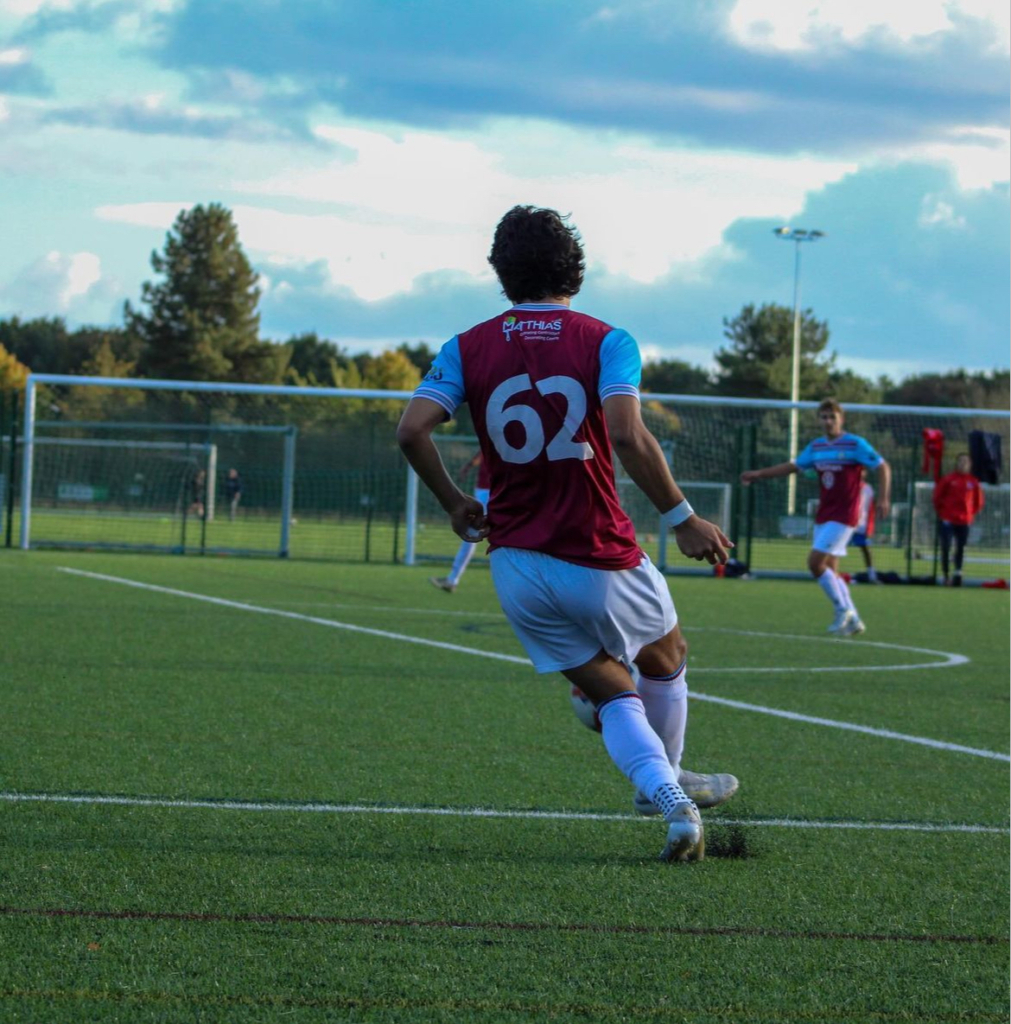
Nathan finished high school without college soccer offers and wasn’t sure what to do next. PlayAbroad helped him pursue soccer and education in England, where he trained daily while studying at a Russell Group university.
Today, he plays semi-professionally in England
Remi Armstrong

Remi wanted a more challenging environment to develop rather than waiting until college to make a change. PlayAbroad helped him pursue a pathway in Argentina, where he trains in a professional setting while continuing his education.
Today, he plays in Argentina pursuing his development.
Brady Adams
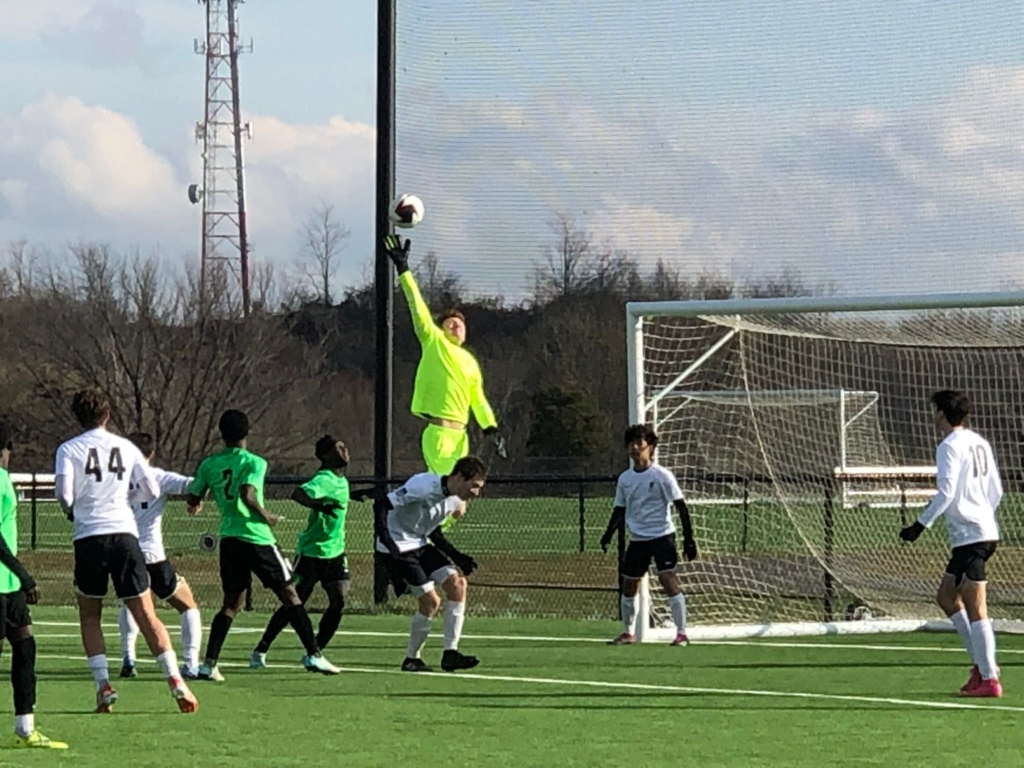
Despite earning all-conference, all-state, and all-region honors as a goalkeeper, Brady had limited opportunities after high school. PlayAbroad arranged professional trials in Italy, helping him access opportunities beyond his domestic network.
He went on to play professionally in Sicily, Italy.
Micah Miller
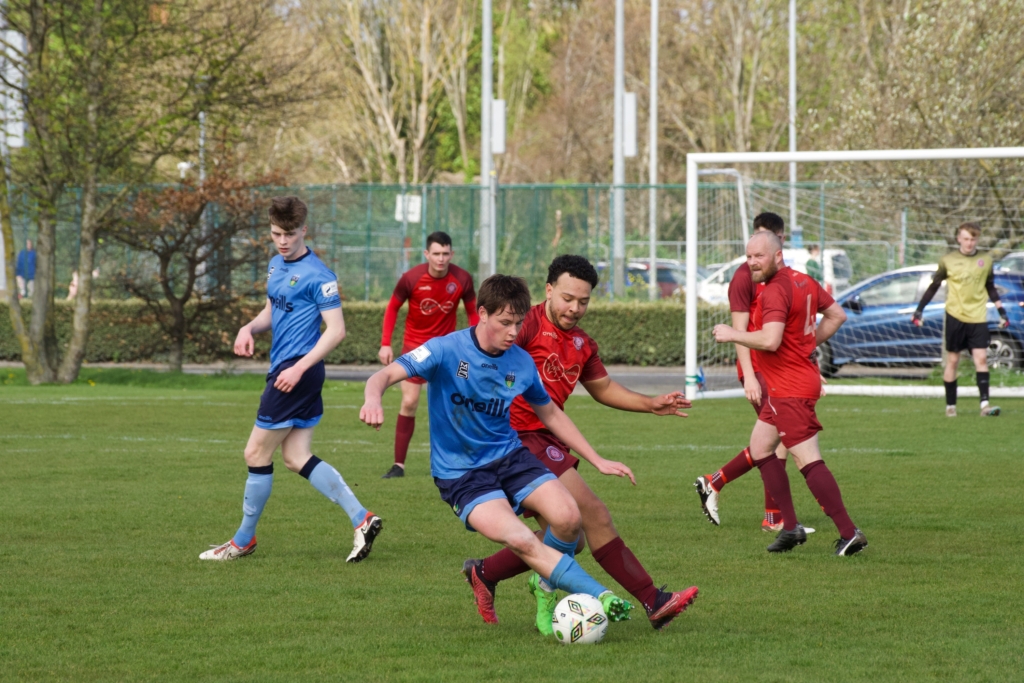
With limited college options in the U.S., Micah wanted an environment where he could continue progressing. PlayAbroad placed him at a university in Ireland, where he advanced from the freshman team to the second team, just below the professional level.
Today, Micah returned to the U.S. for his professional career.
How PlayAbroad Helps You Navigate NCAA Eligibility
NCAA eligibility can feel complicated, particularly when you’re considering a gap year, a European academy, or university study abroad. PlayAbroad helps you understand how the rules relate to your situation and guides you through the decisions involved.
Understanding Your Timeline
We review your age, academic background, previous college enrollment, and future goals to help you understand the eligibility considerations relevant to your pathway.
Finding the Right Pathway
We help you explore suitable European soccer academies, gap year opportunities, and university programs while keeping your longer-term college soccer ambitions in view.
Planning Your Next Step
Your International Placer guides you through the placement process, answers your questions, and helps connect you with college coaches when appropriate.
Understand Your Options
Tell us about your soccer background, academic history, and future goals. Our team will help you understand your options and plan your next step.
Check Out Our Latest Updates
Learn More About the NCAA 5-for-5 Rule
Follow PlayAbroad on social media for more conversations, videos, and insights about the 5-for-5 rule, NCAA eligibility, and international soccer pathways.
Any questions?
We got you.
Attending a standalone academy is not the same as full-time college enrollment. However, your age-based eligibility period may begin while you're at the academy, and competing for a college team can also trigger the period. PlayAbroad helps you understand how these factors relate to your plans.
Yes. The age-based framework applies to NCAA Division I and II women's soccer as well as other sports. The timing of your eligibility period and your individual circumstances still matter.
Certain current student-athletes and prospects initially enrolling full-time during 2026–27 may be evaluated under either the previous rules or the new age-based framework, whichever is more beneficial. Prospects first enrolling full-time in fall 2027 or later generally fall under the new framework only.
No. The five-year period defines the eligibility window; it does not guarantee five years of competition. Players must also meet the applicable academic and athletics eligibility requirements.
Your PlayAbroad specialist helps you consider your age, enrollment history, education plans, and soccer goals, then guides you through the pathways available. We help you plan before committing to a European academy, gap year, or university program.

